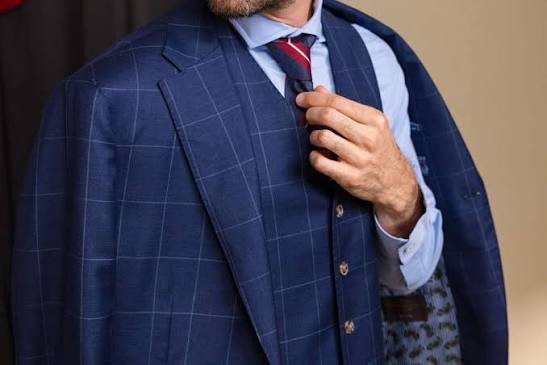
When embarking on a bespoke tailoring journey, selecting your cloth is the single most decisive choice you will make. While precision measurements determine fit, the fabric dictates how the garment breathes, drapes, creases, and ages over years of wear.
Many first-time patrons make the mistake of choosing cloth purely based on visual color. However, understanding weight, yarn count, weave structure, and fiber composition ensures your custom garment serves its intended purpose flawlessly.
1. Understanding Fabric Weight (Grams per Meter)
Fabric weight is measured in grams per linear meter (g/m) or ounces per yard (oz). Selecting the appropriate weight ensures climate comfort:
Master Cutter Key Takeaway
For your first bespoke suit, always opt for a navy or charcoal Super 130s worsted wool in a mid-weight 270g. It offers the most versatile balance between soft hand feel and daily durability.
2. Decoding Super Wool Numbers (Super 100s to 180s)
The "Super S" system refers to the fineness of the individual wool fibers in micrometers. A higher number indicates finer, thinner wool fibers.
"Finer yarn does not always equal better performance. While a Super 180s feels as soft as liquid silk, a Super 120s or 130s is far superior for executive daily travel because it holds structural memory."
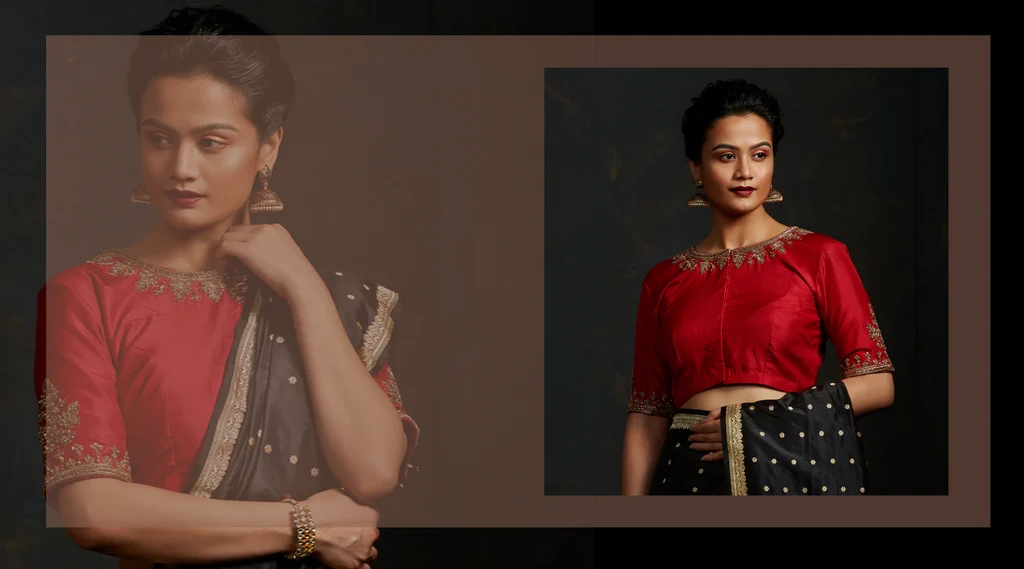
When selecting silk for women's blouses or gowns, consider Mulberry silk satin for a glossy evening glow or crepe de chine for matte business elegance.
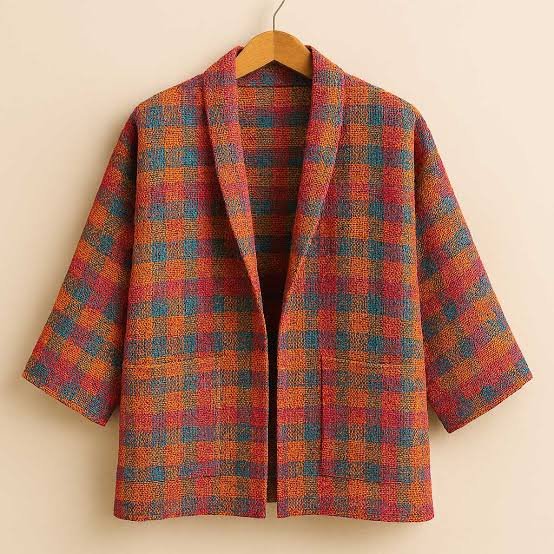
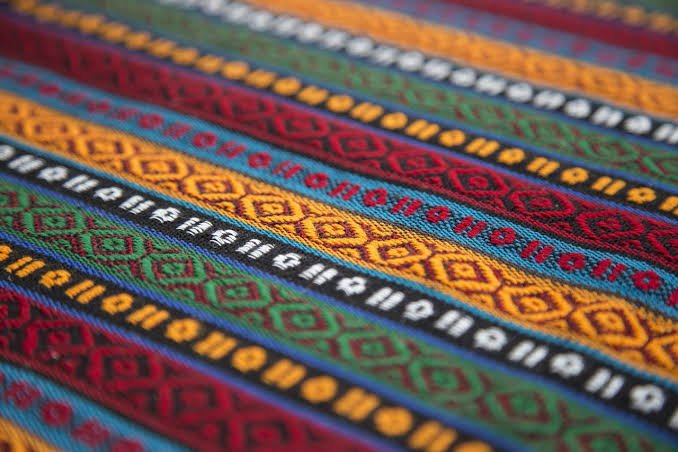
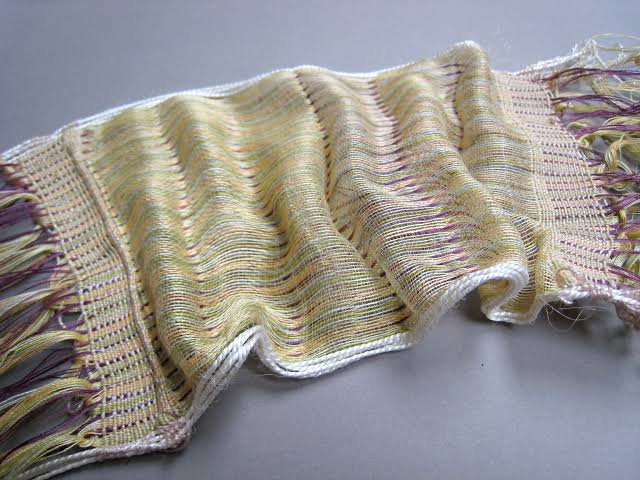
3. Texture & Weave Patterns in Action
Quick Maintenance Rules for Natural Textiles
• Rotate suits every 24 hours to allow natural wool fibers to recover shape.
• Use natural boar bristle brushes to remove surface dust rather than chemical dry cleaning.
• Always hang trousers by the hem using clamp hangers to release knee wrinkles overnight.